


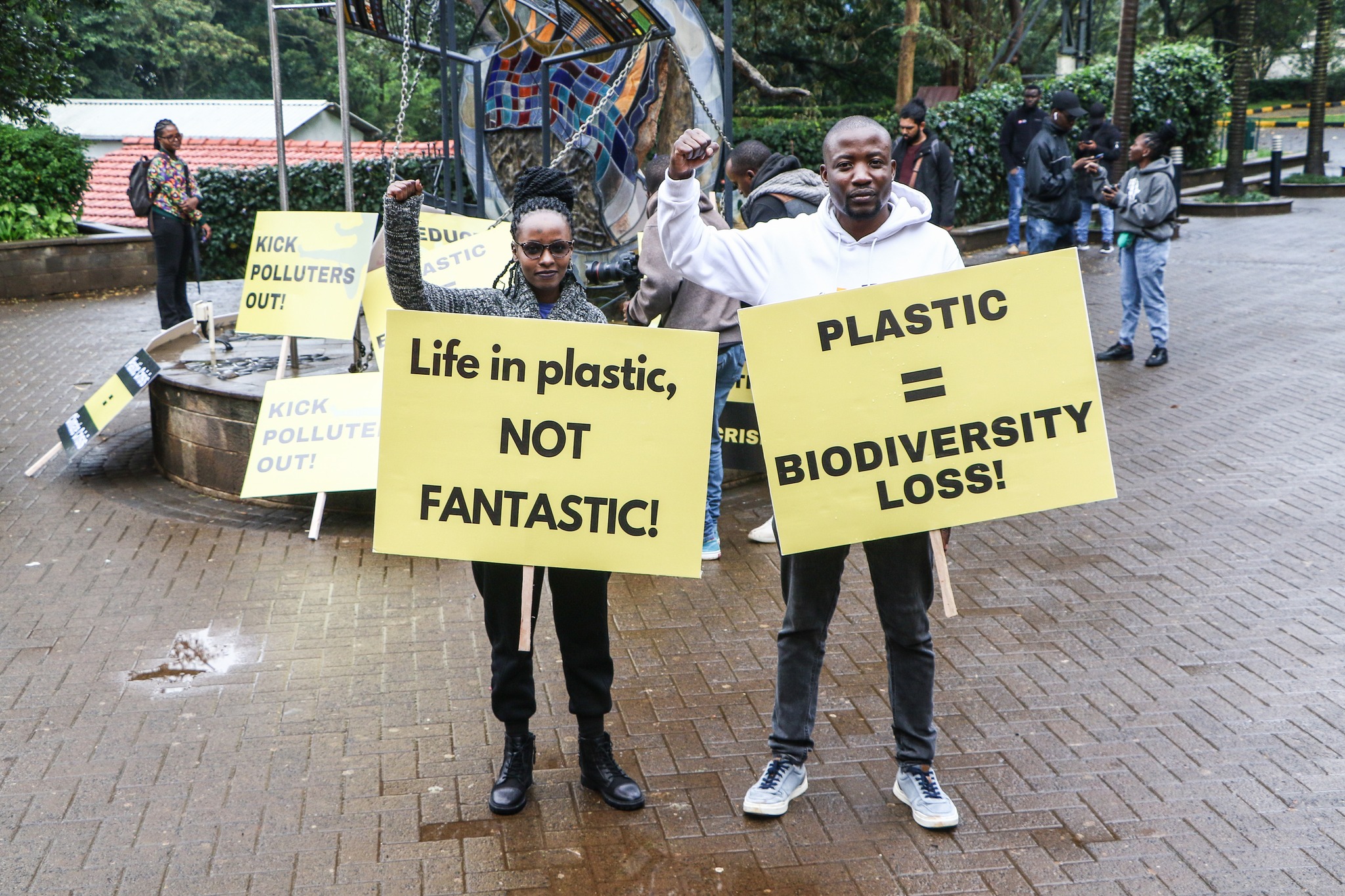
The Kenyan Youth Biodiversity Network (KYBN) has achieved a significant milestone in youth-led environmental action, with its mangrove restoration work featured in Kenya’s 7th National Report submitted to the Convention on Biological Diversity (CBD).
The report documents Kenya’s progress in implementing the Kunming-Montreal Global Biodiversity Framework (KMGBF), the global roadmap adopted in 2022 to halt and reverse biodiversity loss by 2030. At the time of reporting, KYBN had successfully restored 10 hectares of mangroves along Kenya’s South Coast, demonstrating the important role that young people are playing in advancing national and global biodiversity goals.
From Local Action to National Recognition
KYBN’s inclusion in Kenya’s national reporting highlights how youth-led initiatives are contributing to the implementation of Kenya’s National Biodiversity Strategy and Action Plan (NBSAP).
Building on this momentum, KYBN has set an ambitious target of restoring 200 hectares of mangroves by 2030. To achieve this goal, the network is pursuing an impact-scaling approach that combines ecosystem restoration with sustainable livelihood opportunities. Planned interventions include the development of mangrove-based value chains such as:
- Mangrove honey production
- Ecotourism enterprises
- Tree-seedling production and distribution
These initiatives, alongside grants, partnerships, and in-kind support, are expected to mobilize the resources required to expand restoration efforts while creating economic opportunities for local communities.
A Critical Moment for Global Biodiversity Action
KYBN’s recognition comes at a pivotal time for biodiversity conservation worldwide.
In 2026, the global community reaches the halfway point between the adoption of the KMGBF in 2022 and its 2030 deadline. The Convention on Biological Diversity is undertaking the first global review of progress toward achieving the Framework’s 23 targets, with findings scheduled for consideration during COP17 in Yerevan, Armenia.
The review seeks to answer a crucial question:
How much progress has the world made towards achieving the KMGBF targets, and what actions need to accelerate before 2030?
As countries submit their 7th National Reports, these reports become a primary source of information for assessing collective global progress. By September 2026, 125 Parties had submitted their reports, providing evidence of national actions supporting biodiversity conservation, restoration, and sustainable use.
Beyond Governments: A Whole-of-Society Approach
The KMGBF recognizes that biodiversity conservation cannot be achieved by governments alone.
The CBD promotes a whole-of-government and whole-of-society approach, encouraging participation from Indigenous Peoples and local communities, youth, women, civil society organizations, researchers, businesses, local authorities, and other stakeholders.
This approach acknowledges that biodiversity intersects with many sectors, including:
- Agriculture and food systems
- Fisheries
- Water resources
- Health
- Tourism
- Infrastructure
- Local economies
- Finance and investment
As a result, achieving biodiversity targets requires contributions from everyone whose work and livelihoods depend on healthy ecosystems.
KYBN’s mangrove restoration efforts demonstrate how youth organizations can become active partners in delivering biodiversity outcomes while supporting community resilience and sustainable development.
Making Youth Contributions Visible
One of the important innovations under the KMGBF is the recognition of contributions from actors beyond national governments.
Through the CBD’s Online Reporting Tool, non-State actors—including youth organizations, civil society groups, Indigenous Peoples and local communities, businesses, and local governments—can now submit information on their biodiversity commitments and actions.
This ensures that biodiversity work happening at local and community levels is not overlooked when global progress is assessed.
The process creates a direct pathway between local action and global accountability.
A youth-led mangrove restoration project in coastal Kenya can contribute to national biodiversity targets, support global KMGBF objectives, and become part of the international assessment of progress toward biodiversity goals.
KYBN’s inclusion in Kenya’s national report is a practical example of how local action can influence national and global biodiversity outcomes.
Advancing Meaningful Youth Participation
Youth engagement is not merely encouraged under the KMGBF—it is formally recognized.
Target 22 calls for full, equitable, inclusive, effective, and gender-responsive participation in biodiversity-related decision-making. The target specifically highlights the participation of Indigenous Peoples and local communities, women and girls, children and youth, and persons with disabilities.
Meaningful youth participation extends beyond awareness campaigns or tree-planting activities. It includes:
- Contributing to biodiversity policy development
- Monitoring environmental commitments
- Generating knowledge and data
- Participating in governance processes
- Influencing resource allocation
- Implementing community-based conservation solutions
KYBN’s work demonstrates how young people can actively contribute across these areas while delivering measurable biodiversity outcomes.
Looking Ahead to 2030
The ongoing global review of KMGBF implementation provides an opportunity to assess achievements, identify challenges, and accelerate action during the remaining years of the Framework.
Emerging assessments indicate encouraging progress, but they also highlight the need for greater ambition and stronger implementation efforts across sectors and stakeholder groups.
For youth organizations, the review underscores an important reality: young people are not only beneficiaries of biodiversity policies—they are essential partners in delivering them.
KYBN’s recognition in Kenya’s 7th National Report demonstrates the growing impact of youth-led biodiversity action. It shows that local restoration efforts can contribute to national commitments, influence international reporting processes, and help shape the global response to biodiversity loss.
As the world moves toward 2030, initiatives like KYBN’s mangrove restoration programme offer a powerful example of how youth leadership can transform biodiversity commitments into tangible action on the ground.


